Photovoltaic Module Lab
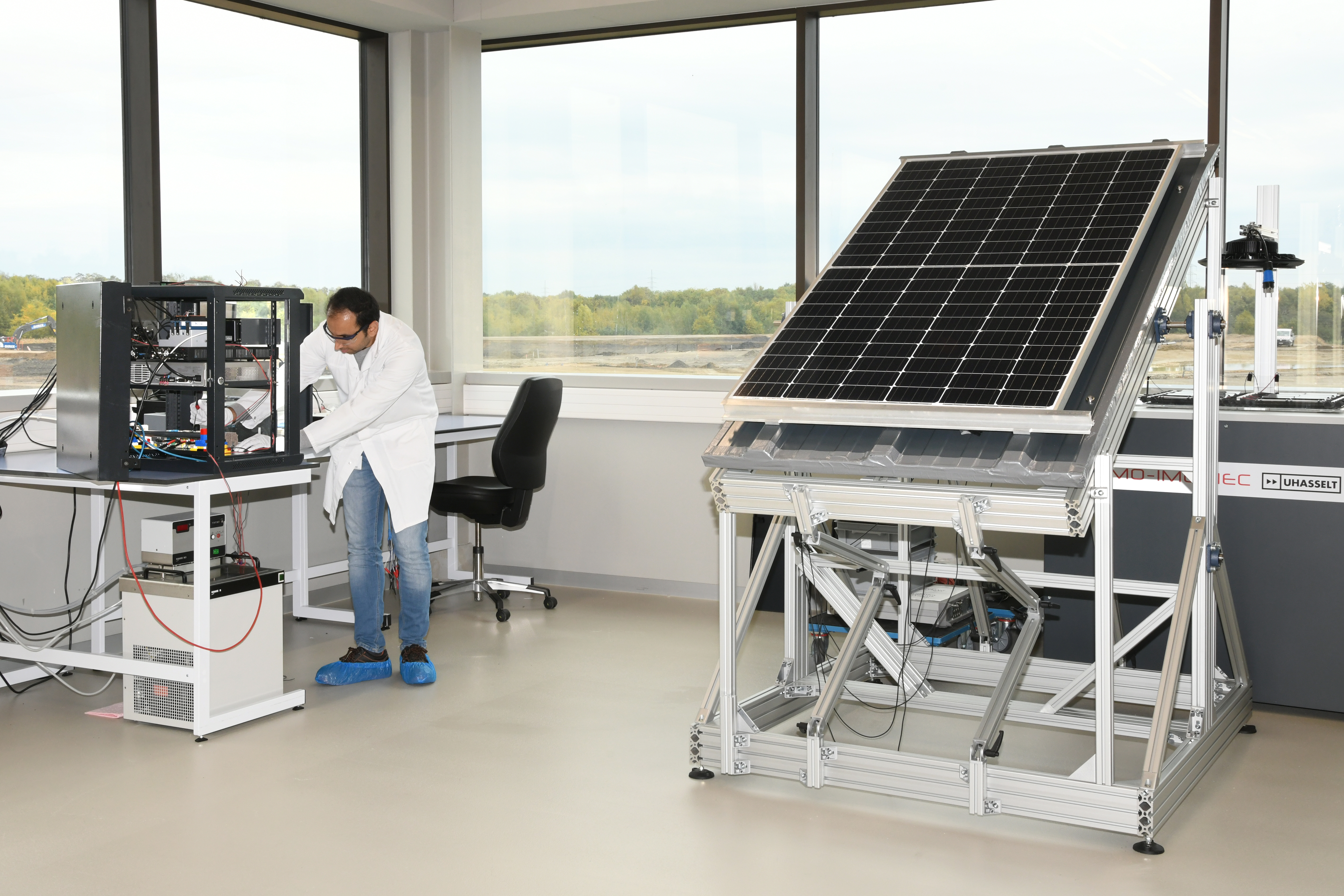
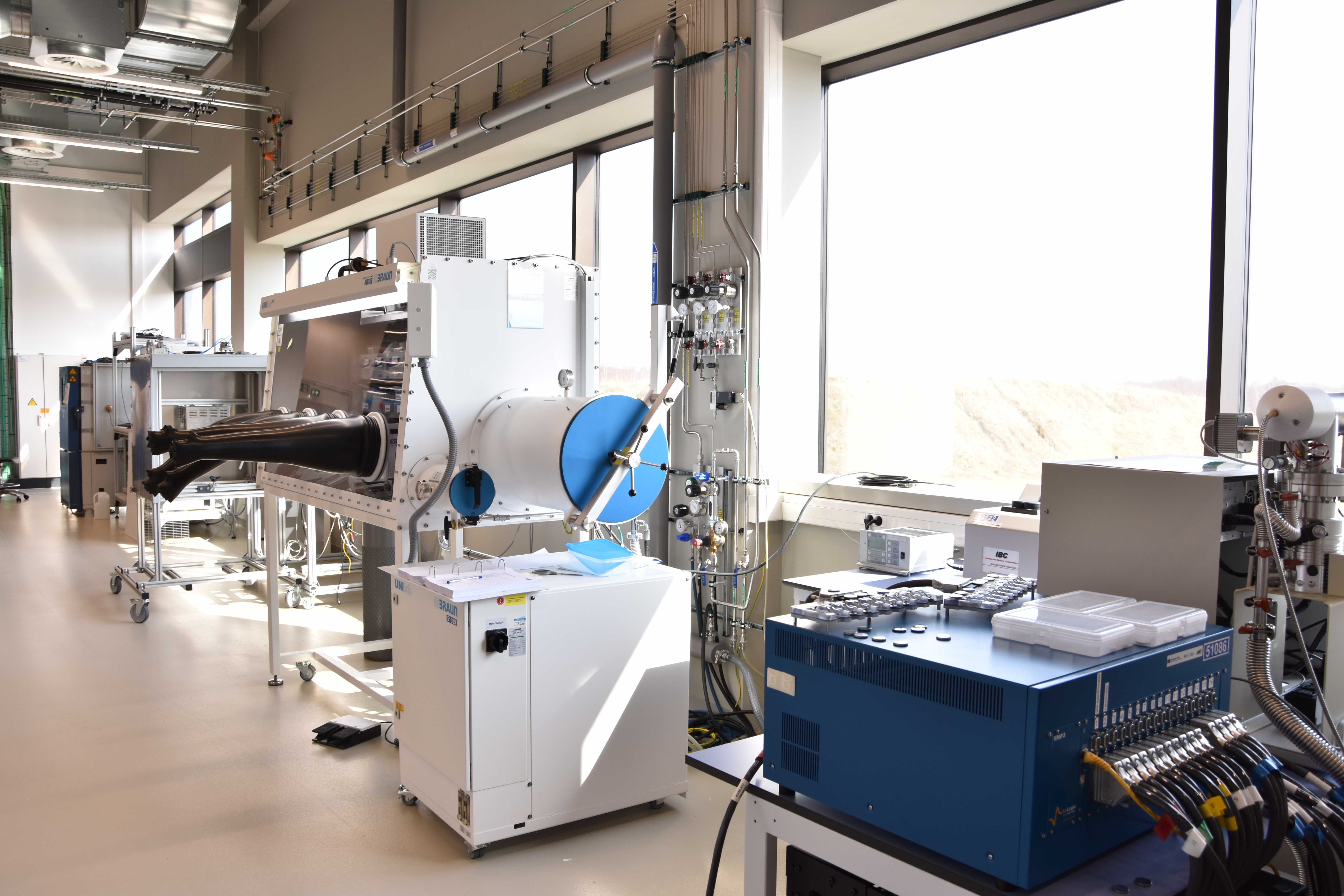
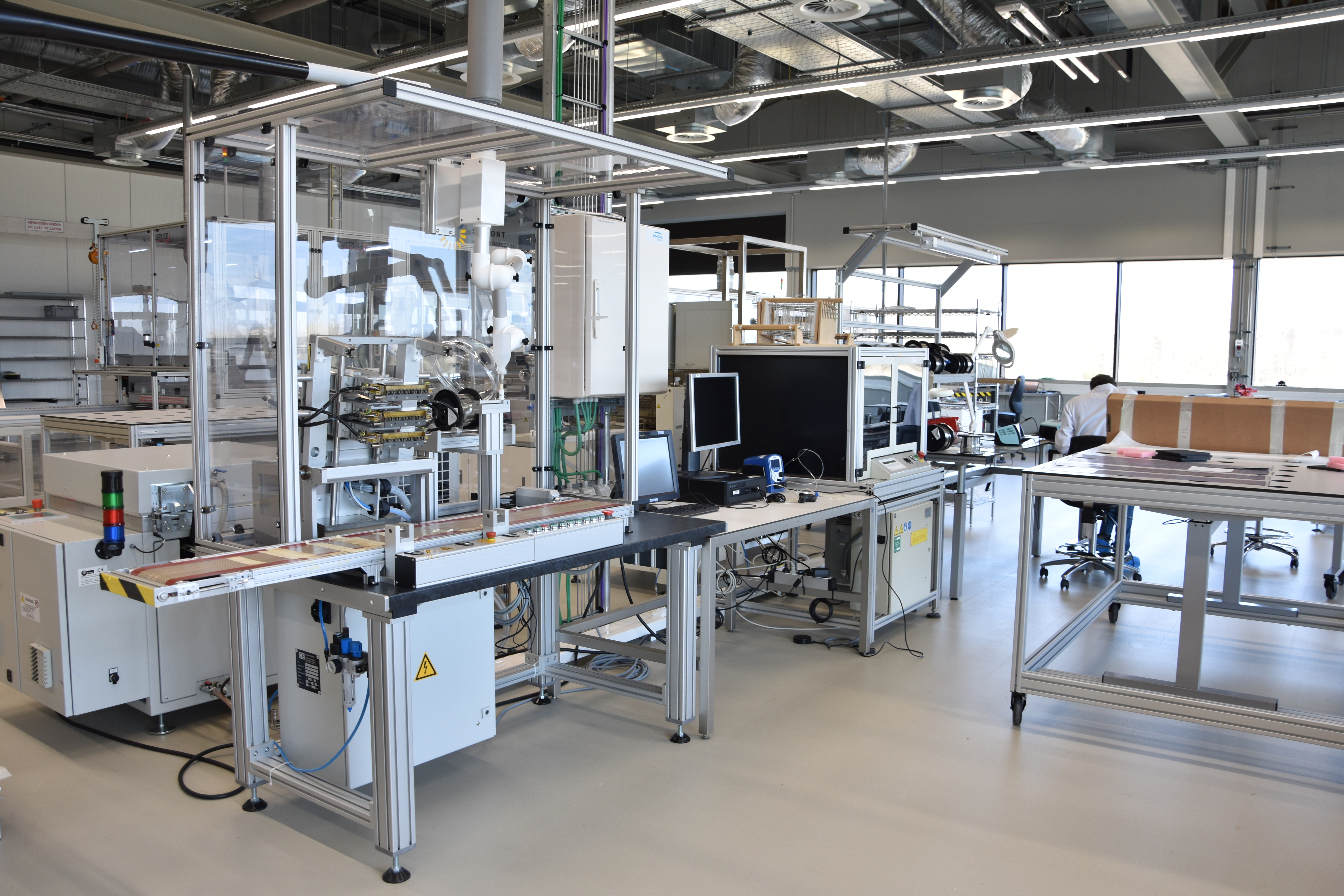
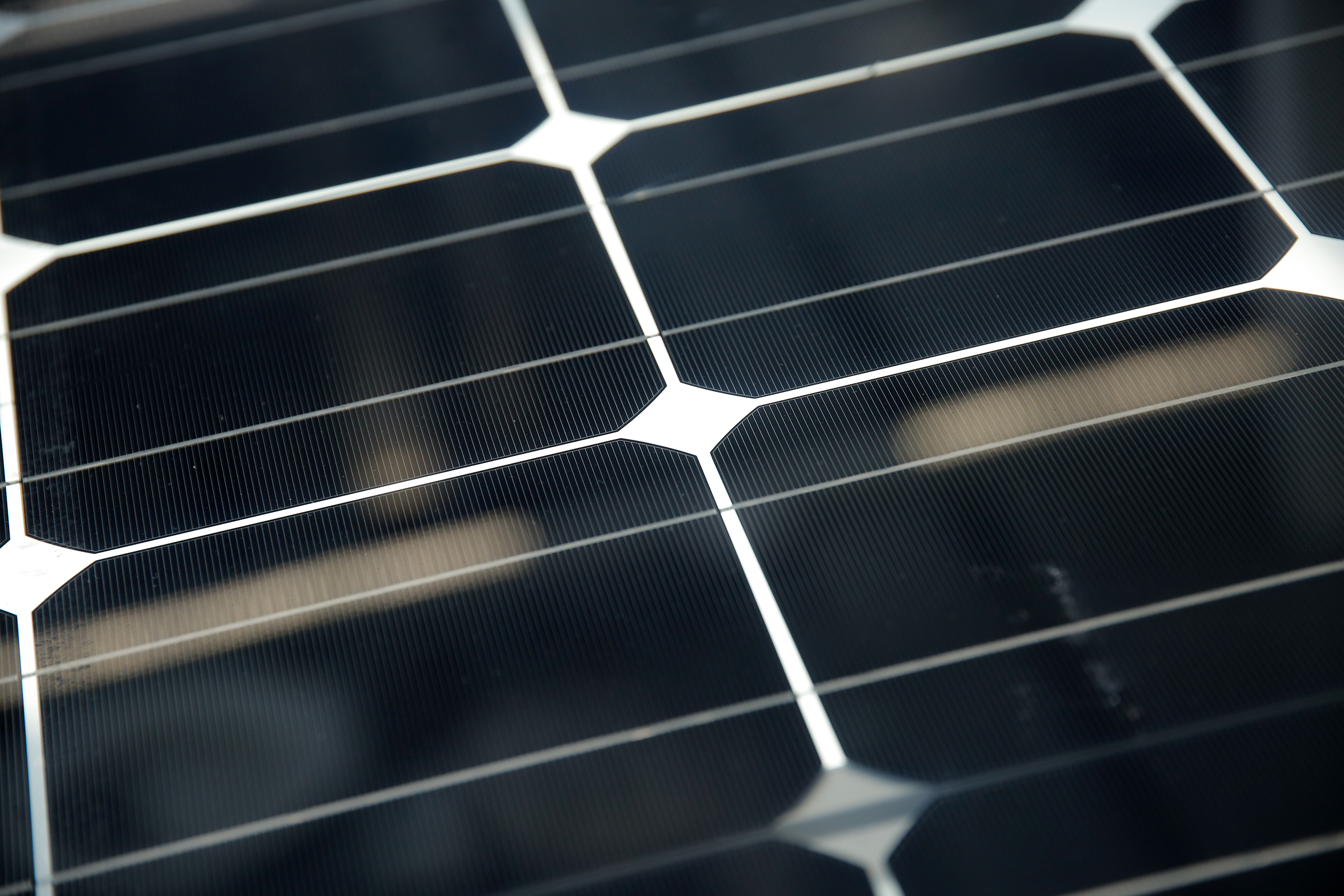
Our state-of-the-art PV Module Lab is the ideal environment for the production and characterisation of high-quality photovoltaic (PV) modules. Equipped with state-of-the-art equipment, our infrastructure enables our researchers to evaluate and process both conventional and innovative materials at all stages of the PV module value chain, including cells, interconnection structures, encapsulants, back sheets and glass.
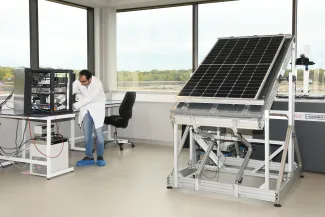
What sets our lab apart is not only the availability of state-of-the-art tools, but also the fact that our expert team of engineers and researchers is dedicated to developing groundbreaking PV module and interconnection technologies. With a wealth of experience in PV materials, concept definition, industrial manufacturing practices, characterisation and reliability, we offer not only in-depth knowledge but also practical experience.
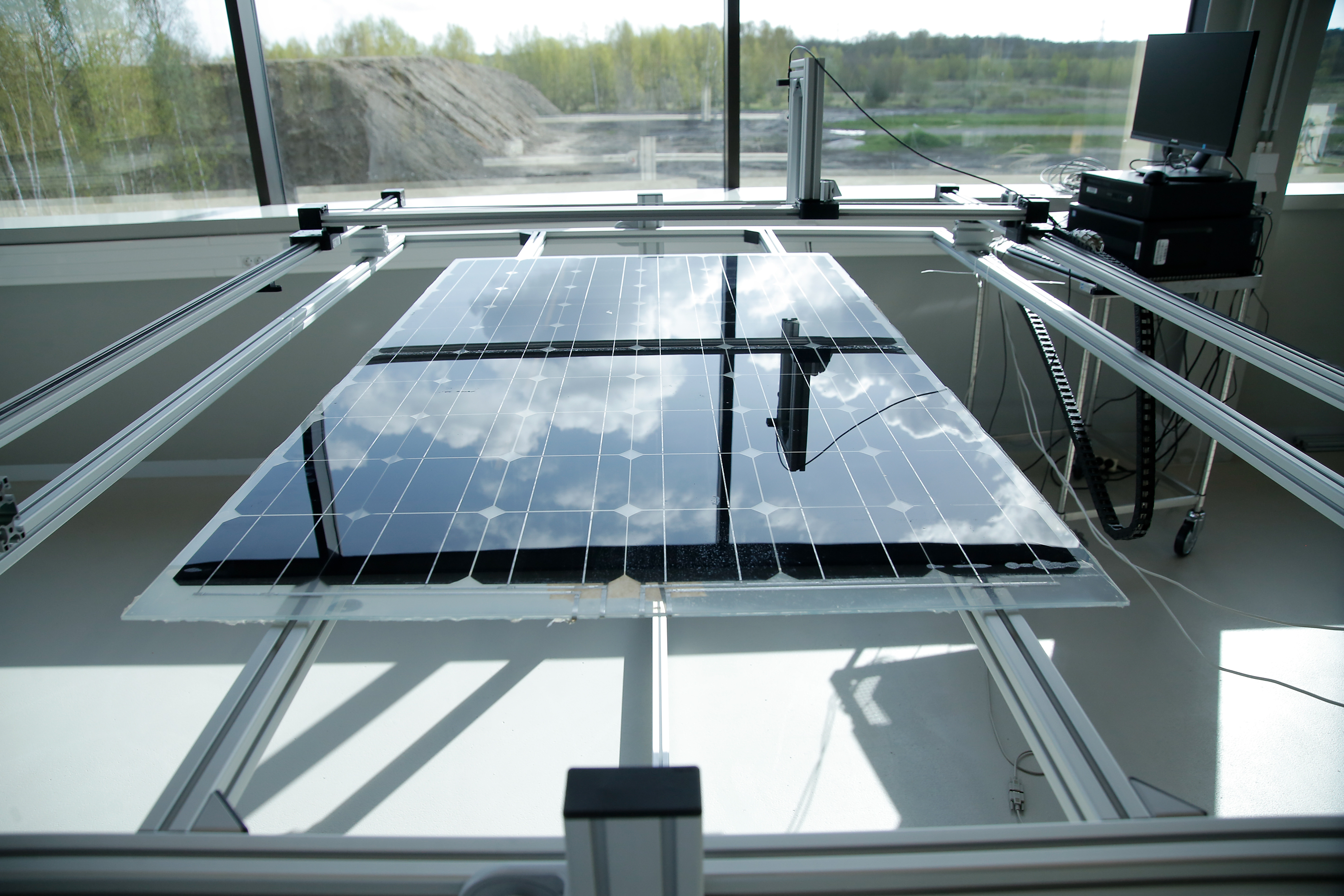
Our facilities are exceptionally versatile, enabling us to accommodate both standard flat commodity PV and the earliest stages of new technologies. Whether it involves exploring innovative interconnection and encapsulation solutions or scaling up to full-size panels (1m x 1.6m), we are ready to take on the challenge.
Take a tour of this lab
Take a look around our lab and discover how we conduct research into innovative energy solutions.
Who can use the PV Lab?
- PV cell and module manufacturers
- Material suppliers
- Equipment suppliers
- PV system installers and operators
What is the purpose of the PV Lab?
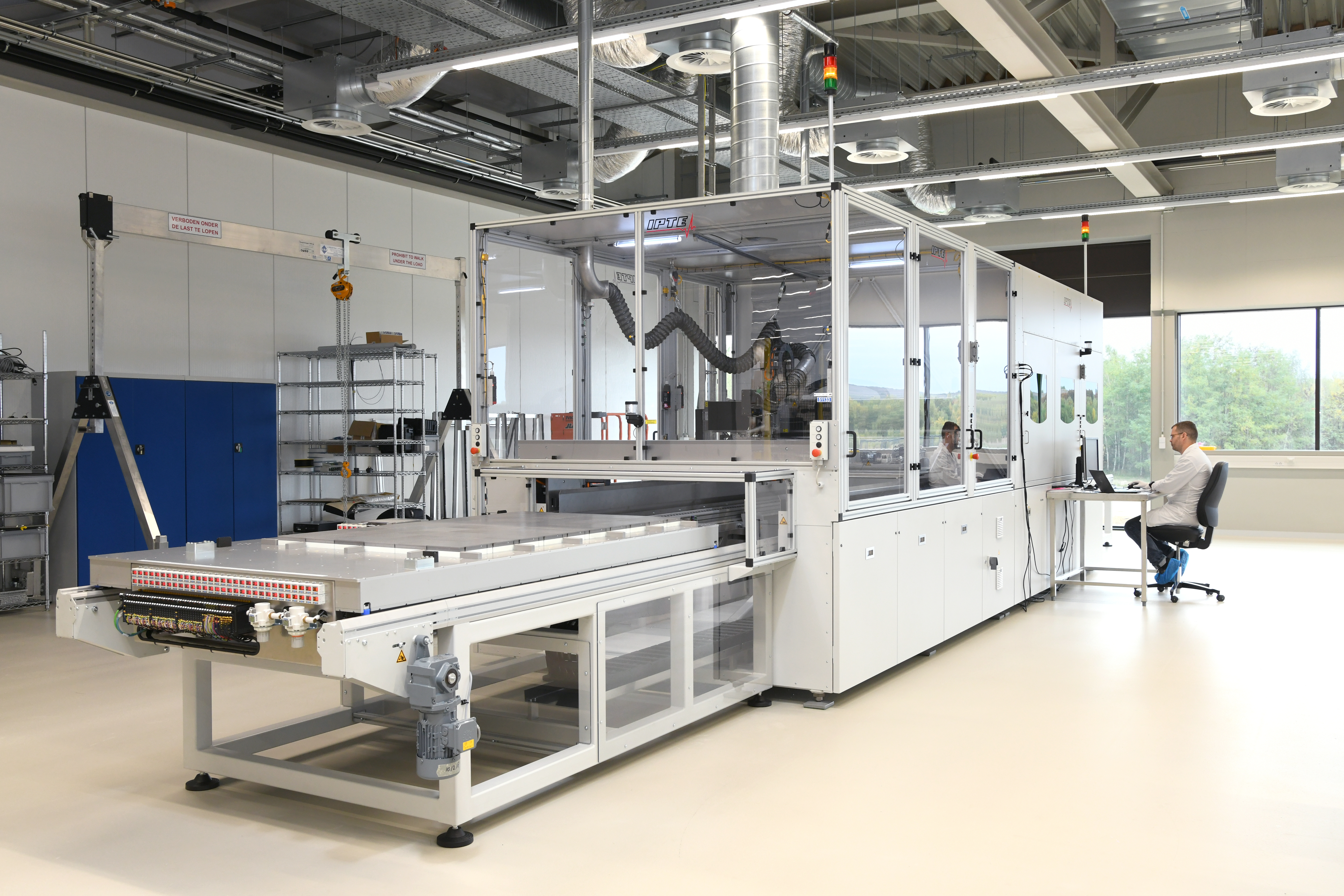
Processing methods designed for the production of crystalline-Si PV modules based on wafers (or similarly applied in thin-film technology or a broader technological context):
- Laser processing
- Placement
- Dispensing
- Brazing
- Lamination
In-depth testing of the opto-electronic performance of devices (manufactured in our laboratories or elsewhere):
- Optical inspection
- Light IV
- Dynamic illumination
- Electroluminescence (EL)
- External quantum efficiency (EQE)
- Reflectance (R)
- (Cross-sectional) scanning electron microscopy (SEM)
- SunsVoc (dependence of Voc on irradiance)
- Thermal and spectral dependencies in behaviour
- Tensile testing
Most of the equipment offers the option of automation for the relevant processing/testing, although loading and unloading (and in some cases mechanical movement) is carried out manually to ensure the highest versatility in operation. Manual preparation, post-processing and inspection can be carried out offline using state-of-the-art laboratory benches and tools. Storage in a dry room (0.4% RH) is available for moisture-sensitive materials (e.g. encapsulants).