Home Lab Ghent
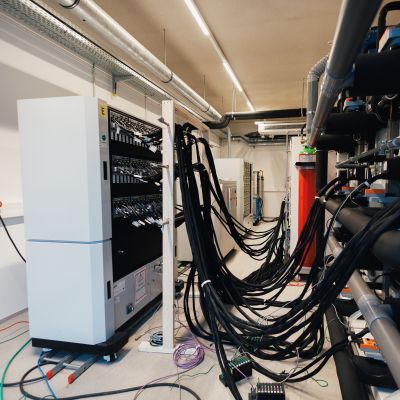
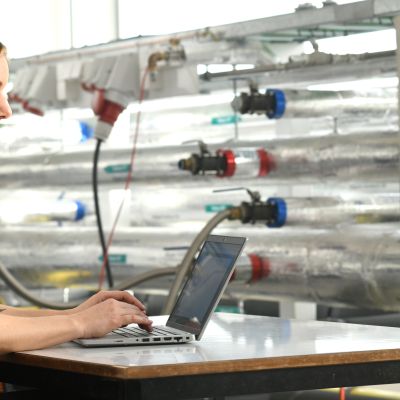
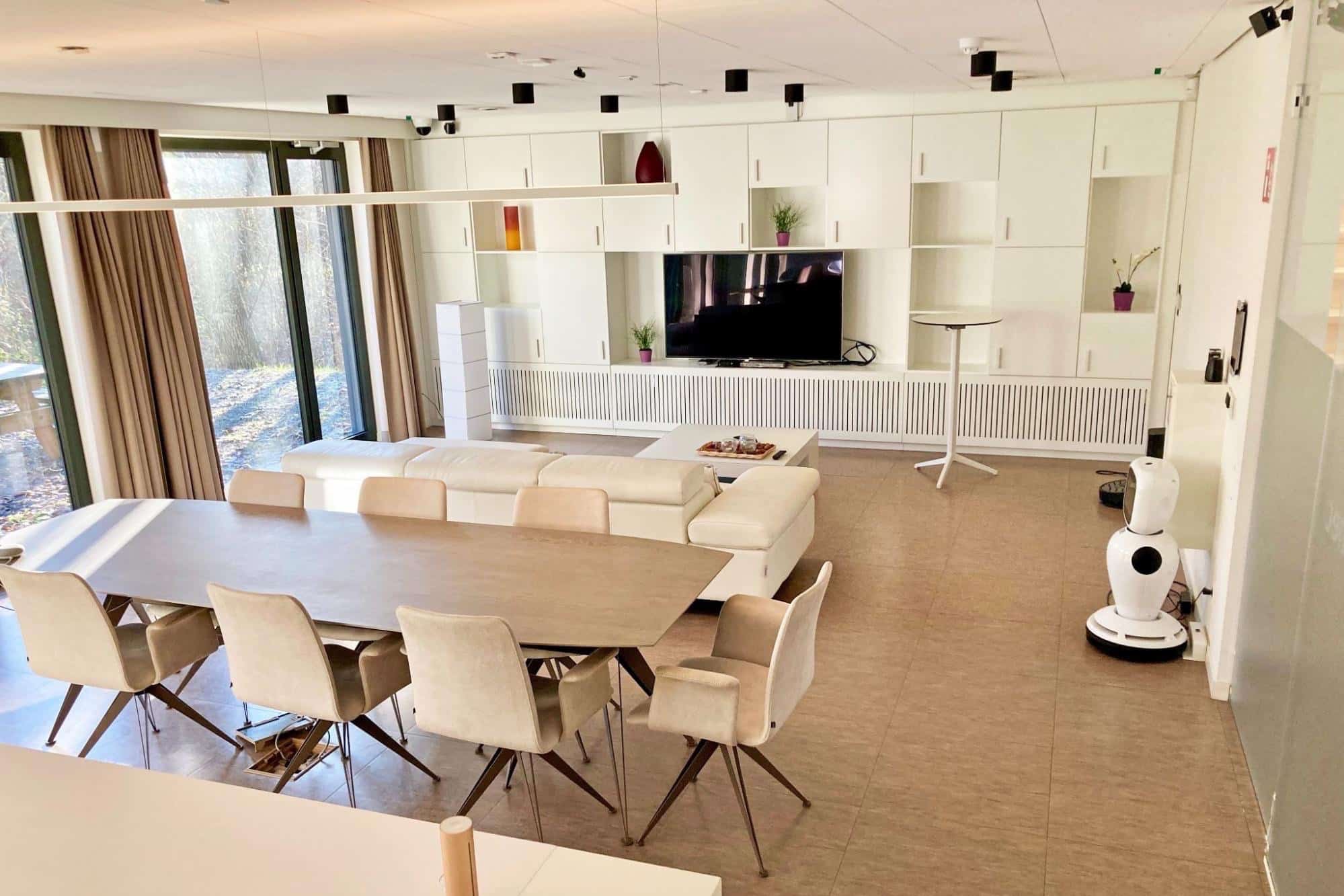
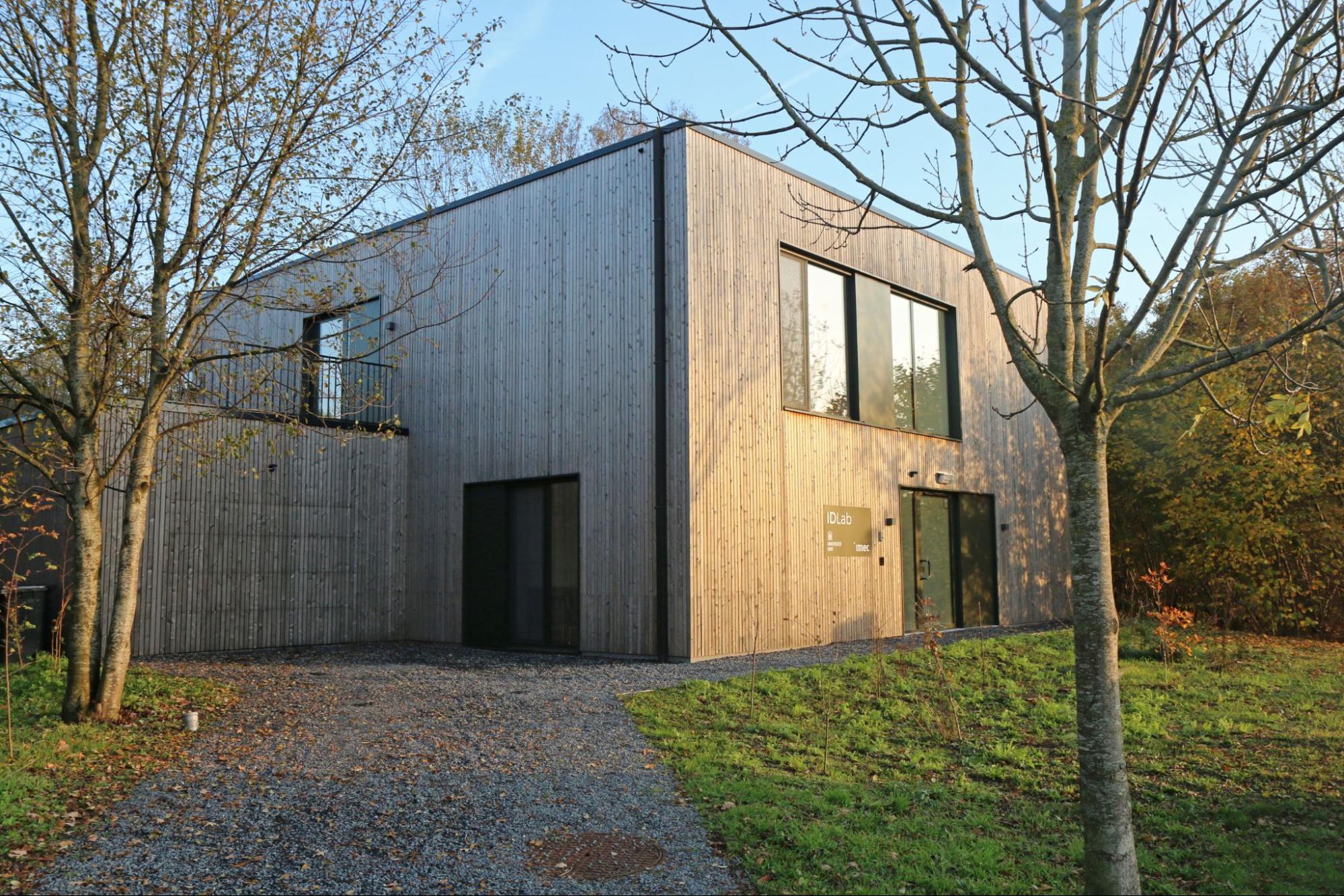
Home Lab offers a unique residential testing and co-innovation environment in Ghent, entirely dedicated to smart home services. This exceptional facility functions both as a laboratory and a real two-storey house, where individuals can stay and actively participate in testing and co-creating IoT and AI services. It serves as a centre for innovation and focuses on various application areas, such as energy, home automation, health and care, social robotics, audio and video, and more.
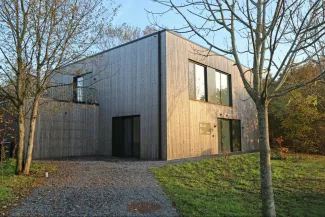
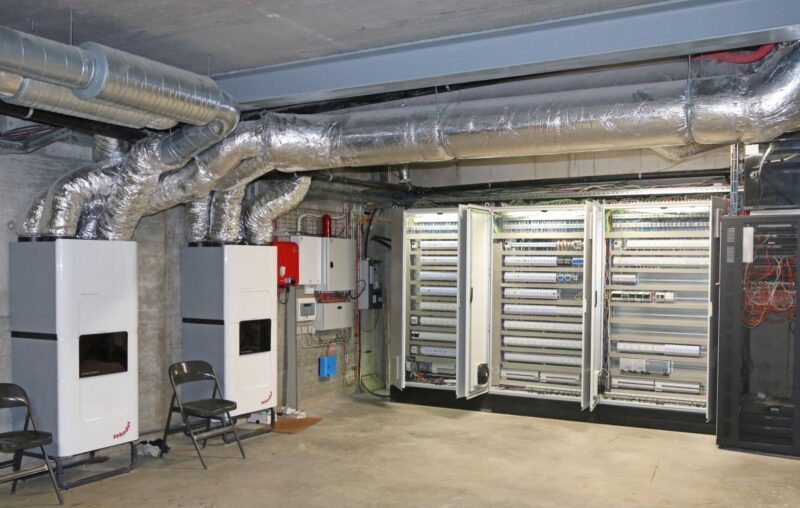
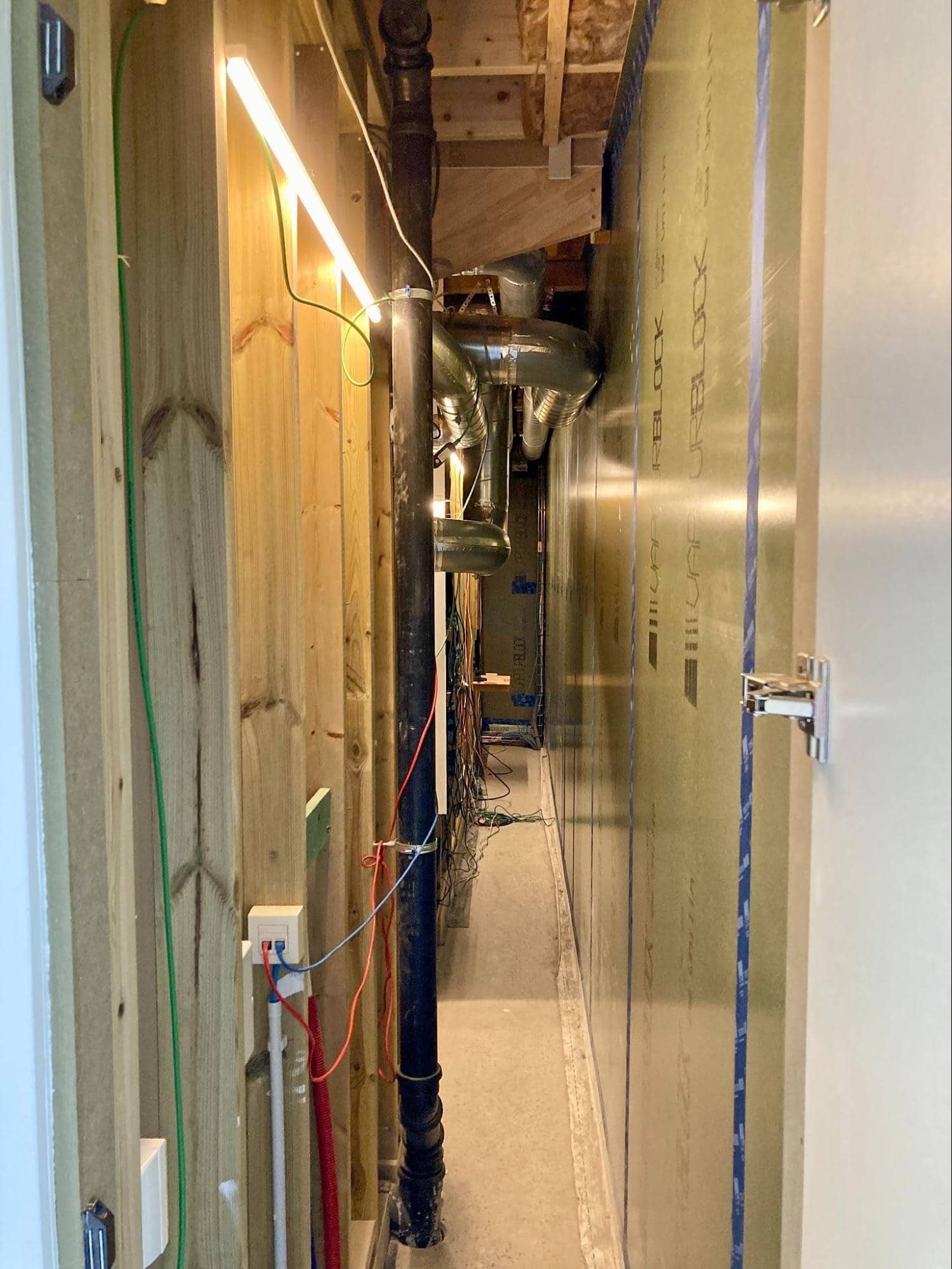
Home Lab Ghent is equipped with technical ducts, raised floors and suspended ceilings, allowing new devices and prototypes to be seamlessly integrated and concealed. This facilitates natural interaction with the services being developed and tested. Furthermore, an extensive sensor infrastructure records essential contextual information (such as temperature, air quality, energy consumption, user presence, etc.), enabling in-depth analysis of the experiments carried out.
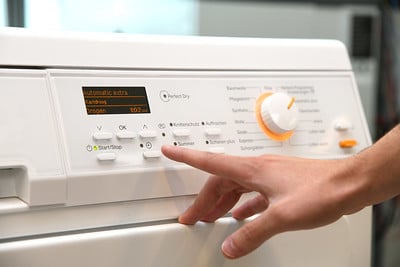
At the heart of Home Lab Ghent lies the open home automation system, which gives users full control and monitoring over all functional elements within the home. HVAC systems, sun blinds, curtains, switches, doors, windows and other components can be easily managed via this centralised system. At the same time, a scalable and secure data platform stores all recorded sensor and actuator data, enabling seamless access to real-time and historical information.
Take a tour of this lab
Take a look around our lab and discover how we conduct research into innovative energy solutions.
Who can use Home Lab Ghent?
The Home Lab offers services to various stakeholders:
- (EnergyVille) researchers
- Companies, including both SMEs and large enterprises
- Energy service providers
- Flexibility aggregators
- Home automation providers
- Industry organisations
- Non-profit organisations
What is the purpose of the Home Lab Ghent?
The Homelab can be used to test and validate new services and technologies in real-life environments across various aspects:
- Communication and interoperability aspects
- Data collection for analysis or the design of data-driven AI models
- Usability testing with end users
Examples within the energy sector include the evaluation of:
- Residential demand response services
- Smart control of building systems (HVAC, sun blinds, windows)
- Energy monitoring applications
- Sensor fusion of energy data with other sensor data (presence, air quality, etc.) to infer user activity and lifestyle patterns