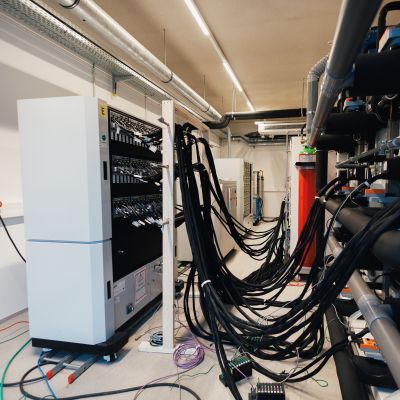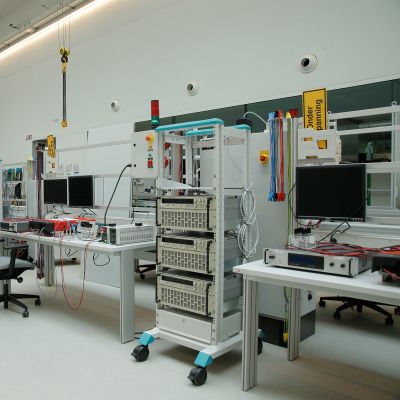
Battery Materials Lab
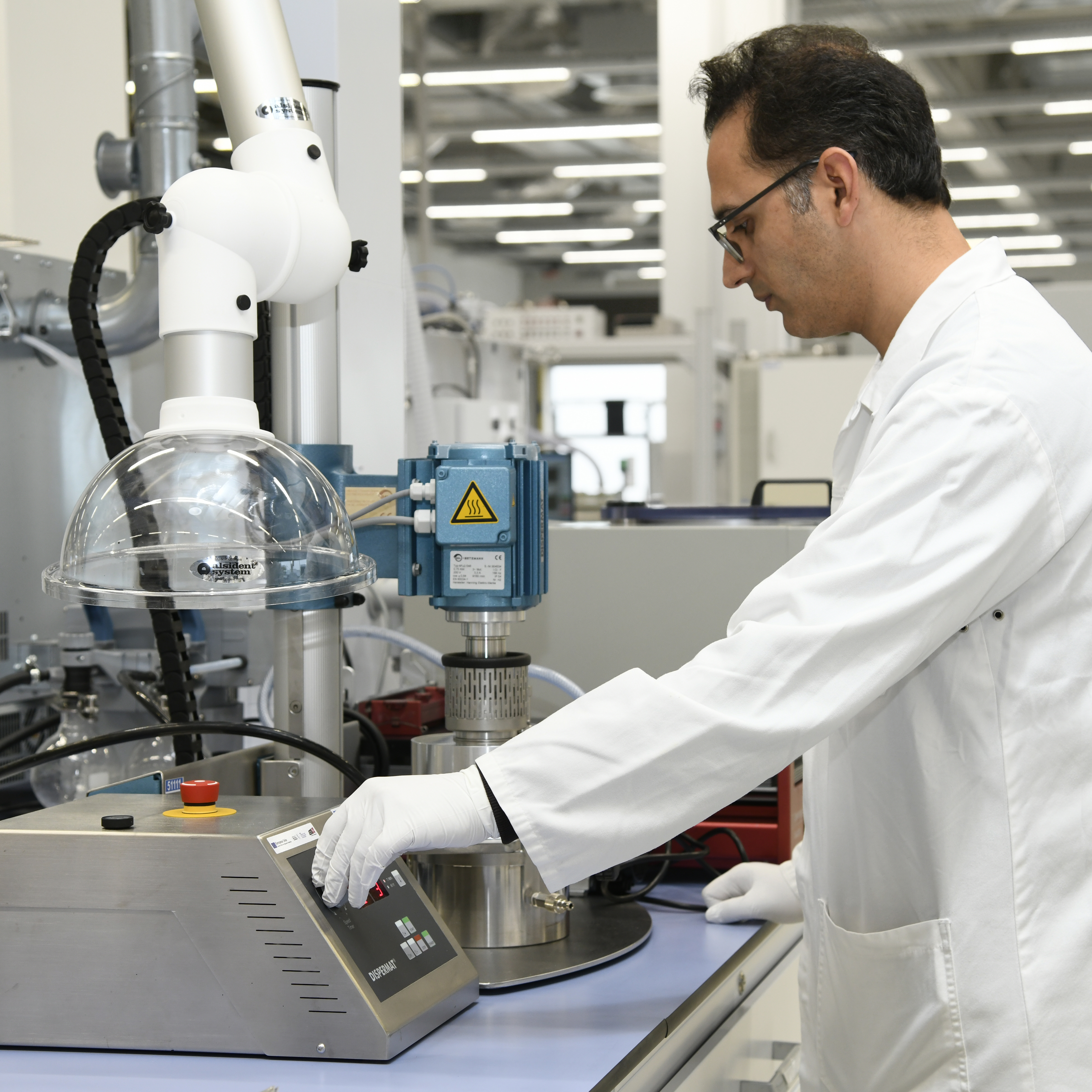
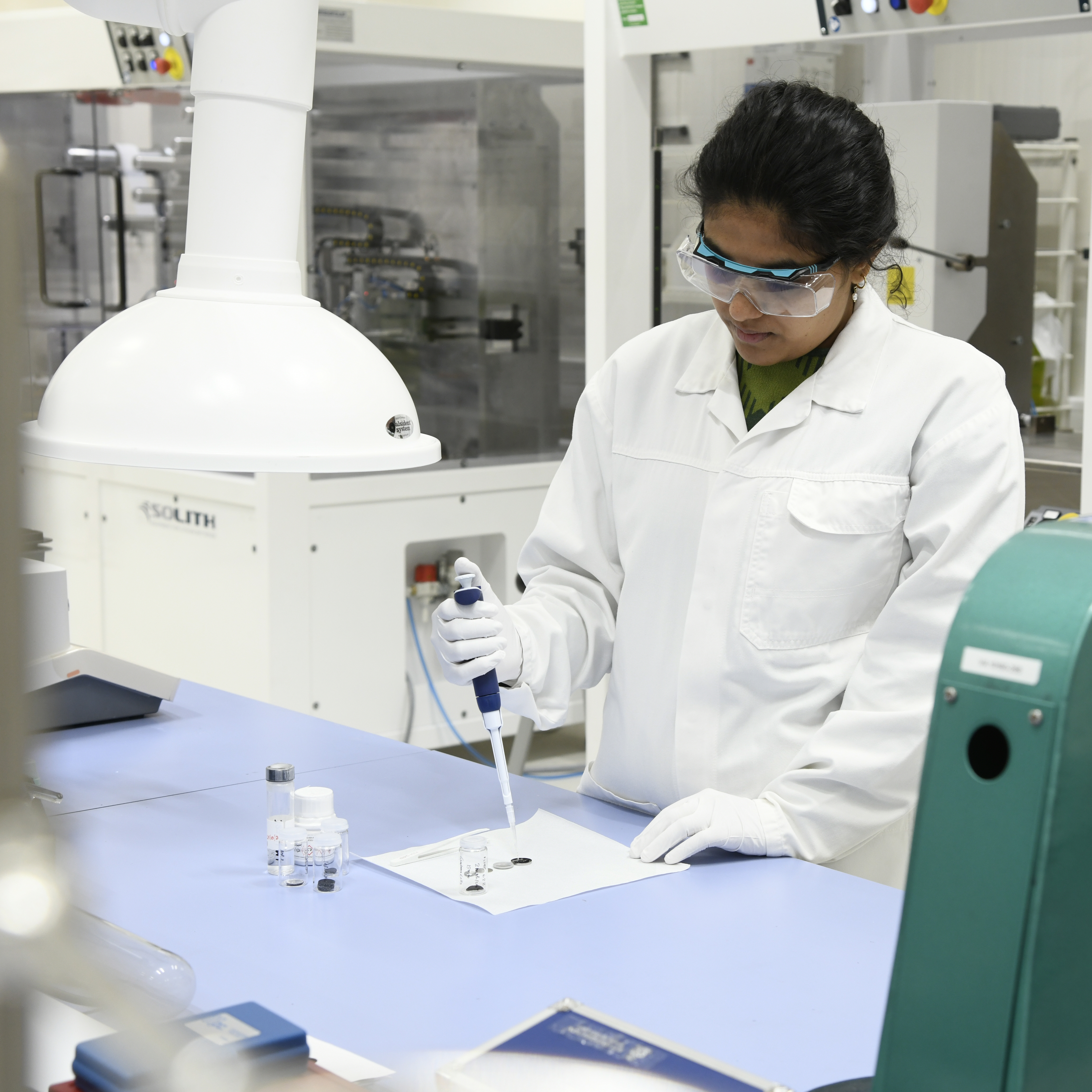
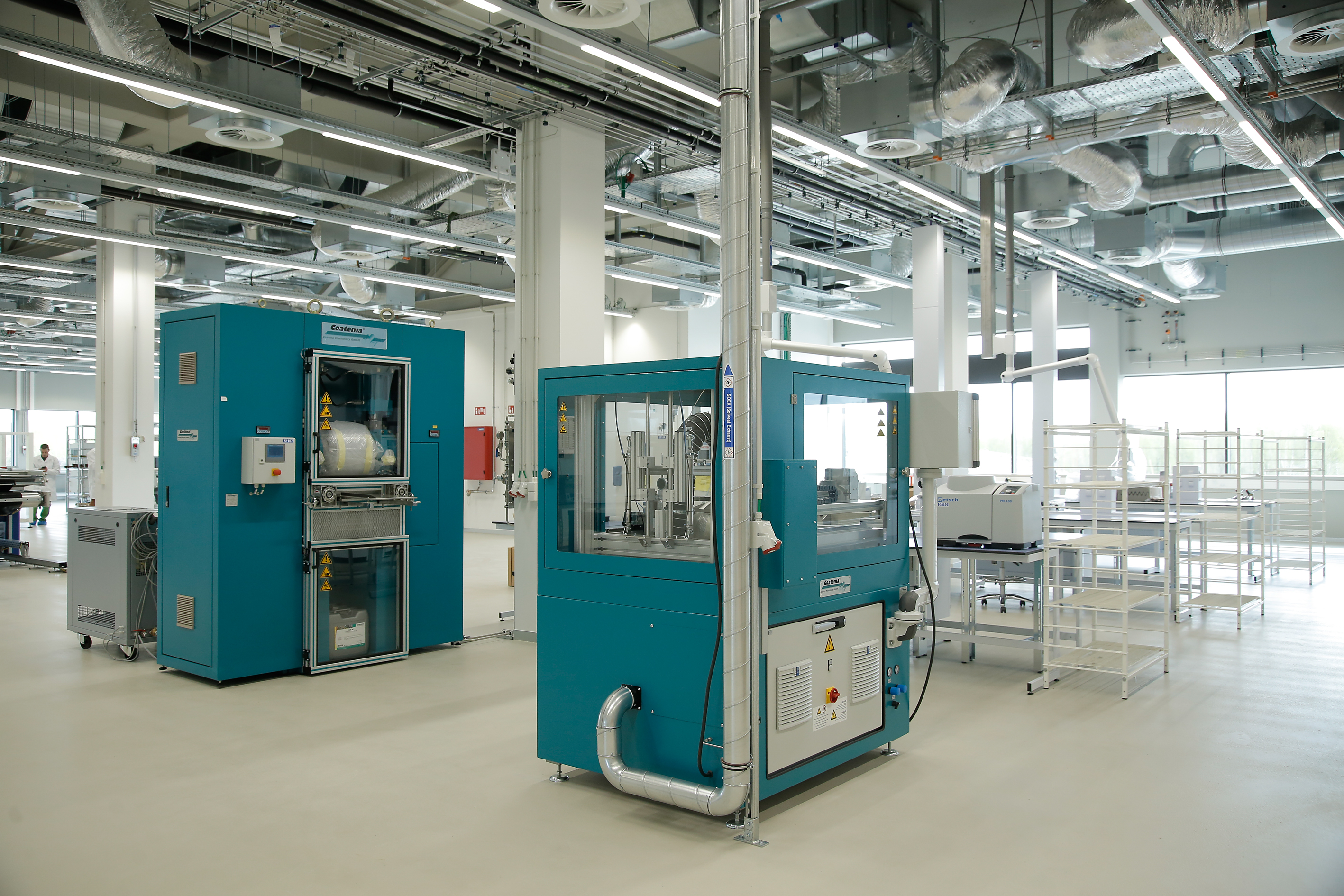
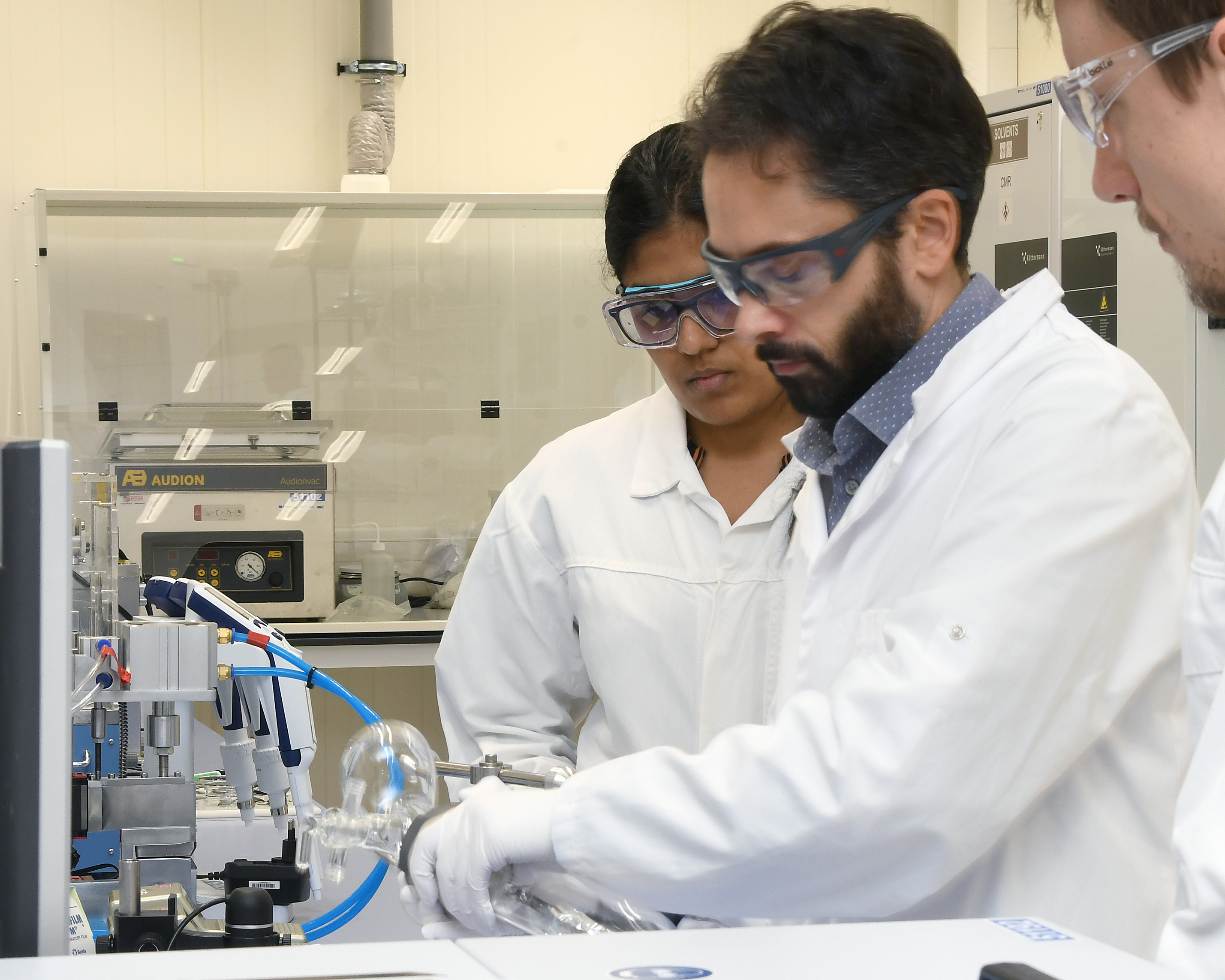
In our Battery Materials Lab, scientists are developing the energy sources of the future.
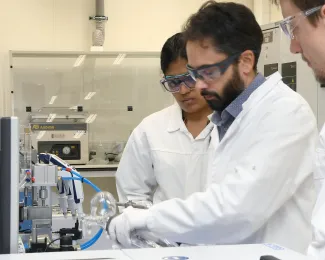
Our research group not only focuses on fundamental scientific questions, but we also aim to assess precisely whether the strategies we develop are actually applicable. That is why the lab works closely with companies that wish to test and improve their new battery materials.
Our scientists are currently working on solid-state batteries, among other things, which offer advantages over current batteries using liquid conductive materials. These innovative solid conductive materials have a significantly higher capacity and reduced susceptibility to leakage, which increases safety. We are developing new solid electrolytes and focusing on scaling up these batteries.
Take a tour of this lab
Take a look around our lab and discover how we conduct research into innovative energy solutions.
Who can use the Battery Materials Lab?
Battery component manufacturers
- Active materials
- Conductive additives
- Binders
- Solvents, salts and electrolyte additives
- Separators and packaging materials
End users of batteries (e.g. for residential storage, in electric vehicles):
- In-depth analysis of a battery design or chemistry for a specific application
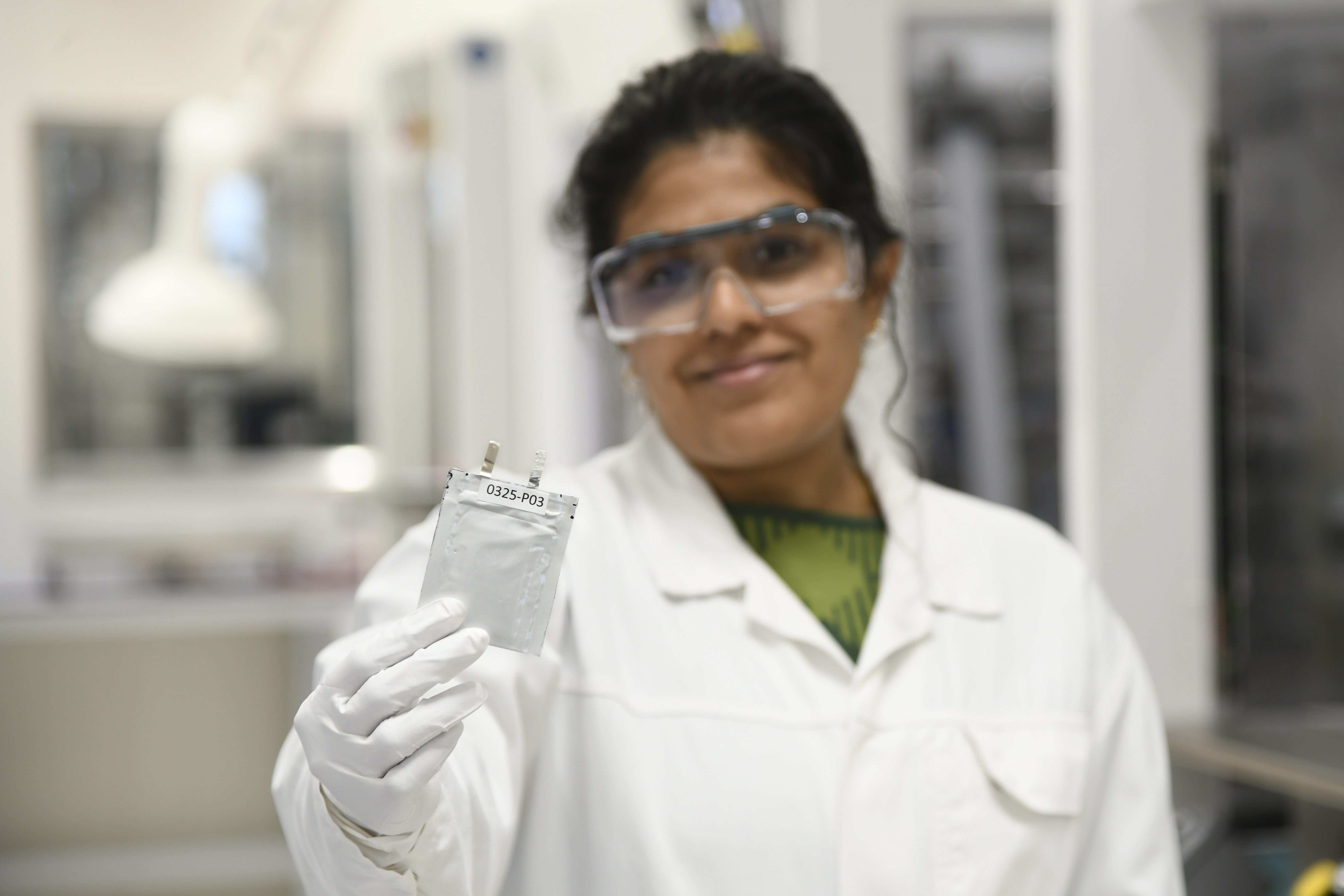
- Proof of concept and demonstration of new battery designs in pouch cells
What is the purpose of the Battery Materials Lab?
We can carry out a wide range of projects, from the evaluation of new battery concepts to the optimisation of existing technologies.
- Research and optimisation of new formulations for battery components (electrode, electrolyte, separator).
- Demonstration of new battery concepts and designs in high-capacity pouch cells.
- Detailed electrochemical and thermal analysis of cells.
- In-depth analysis of ageing, fault detection and post-mortem analysis.
- Assessment of the compatibility of new battery/component designs with existing industrial battery production standards.