Bipolar DC-lab
At the Bipolar DC Lab, industrial partners can carry out technology validation for emerging DC distribution systems.
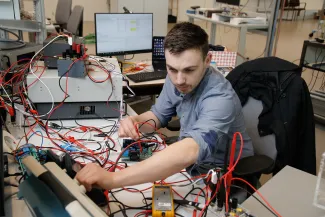
This covers various aspects, such as:
- Grid configurations
- Grid components
- Converters
- Renewable energy sources
- Energy storage
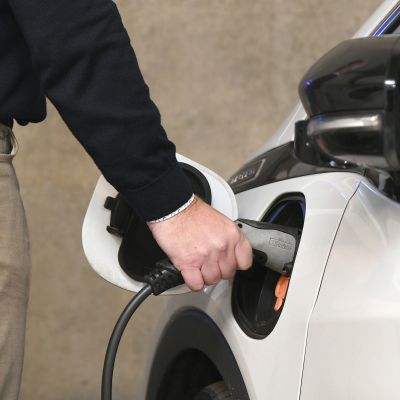
- Electric vehicle charging solutions
- Protection measures
- Standardisation efforts
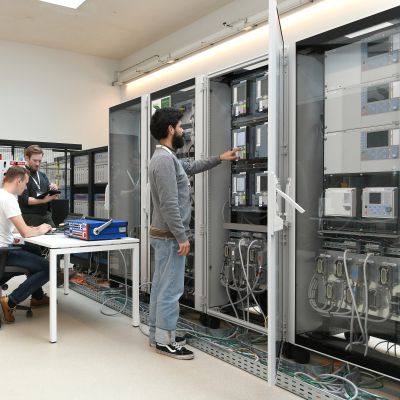
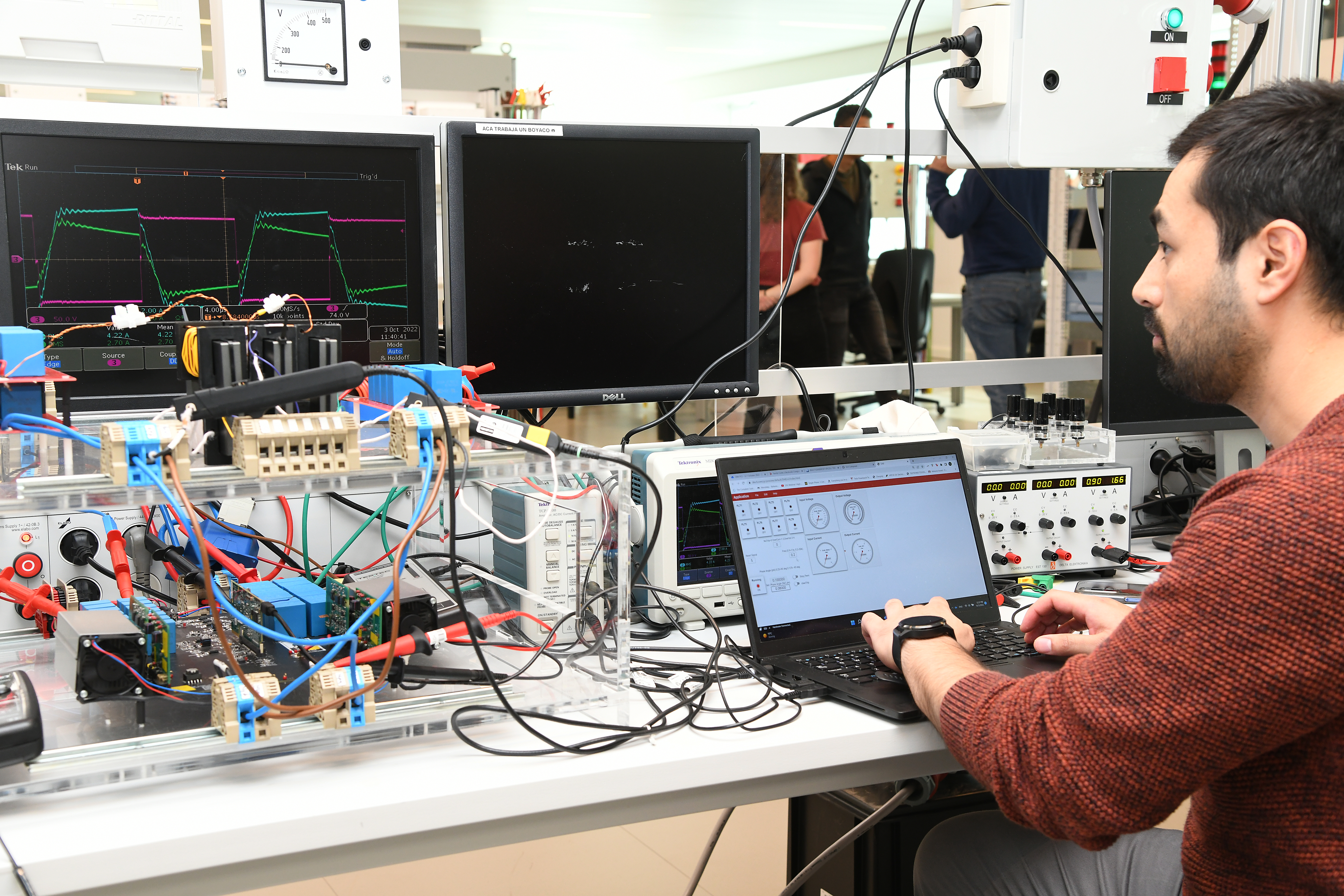
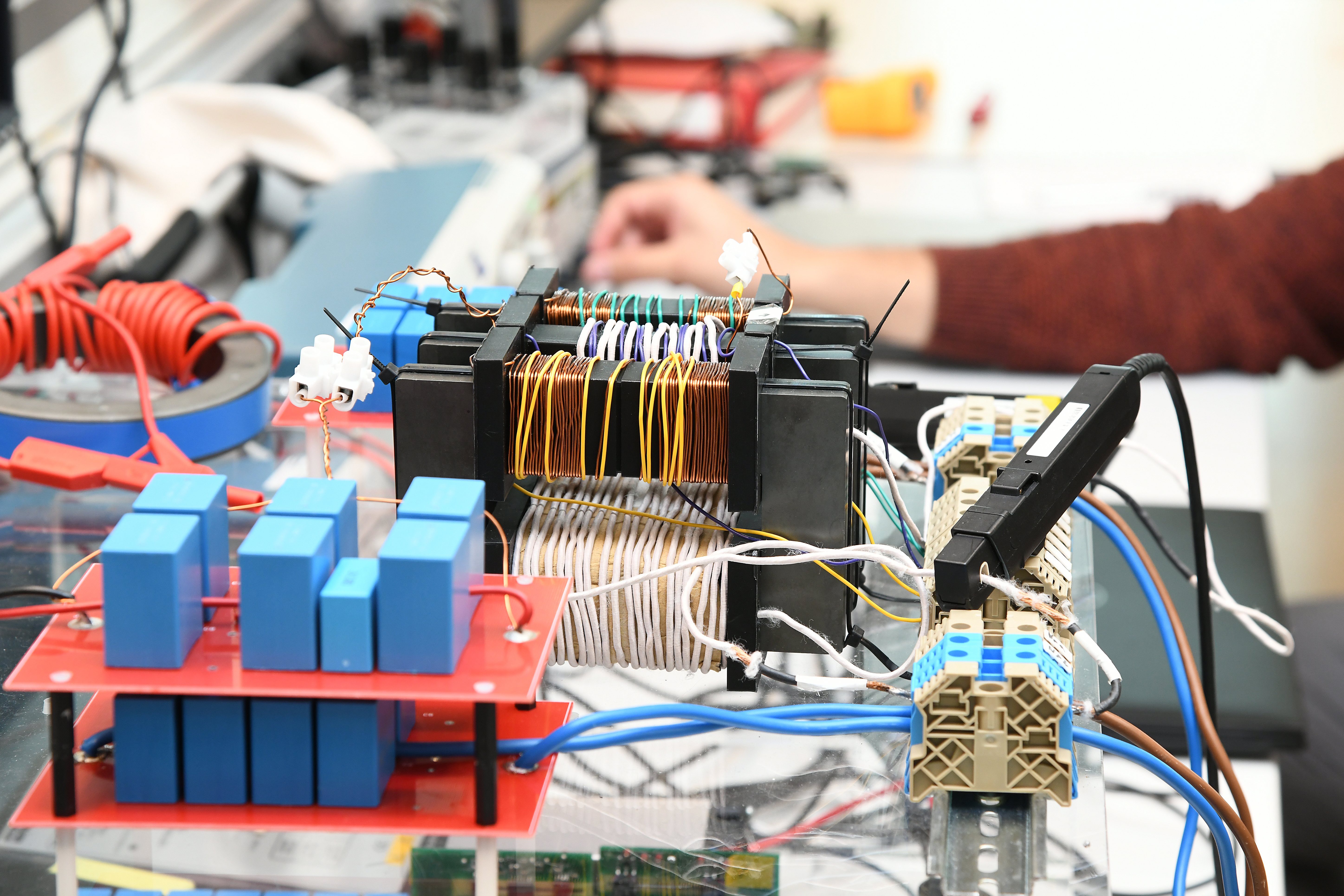
The Low-Voltage Direct Current (LVDC) Lab, integrated into the Home Lab, houses an adaptable and reconfigurable bipolar DC network with a range of ±750 V and 100 kW. Furthermore, this setup enables the investigation of interactions between AC and DC systems using various grid connections.
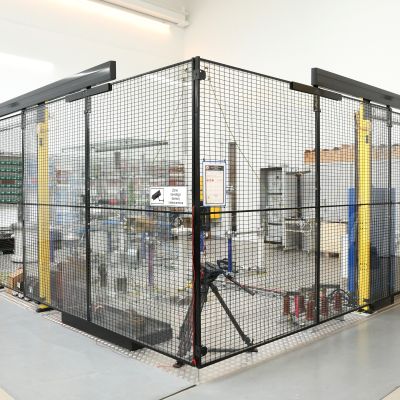
The DC grid matrix enables customised set-ups that can be connected to grid components and other laboratories: the commercial PV roof, the Battery Test Lab, machine groups, three-phase converters and emulators, EV charging infrastructures and the Thermotechnical Lab.
Take a tour of this lab
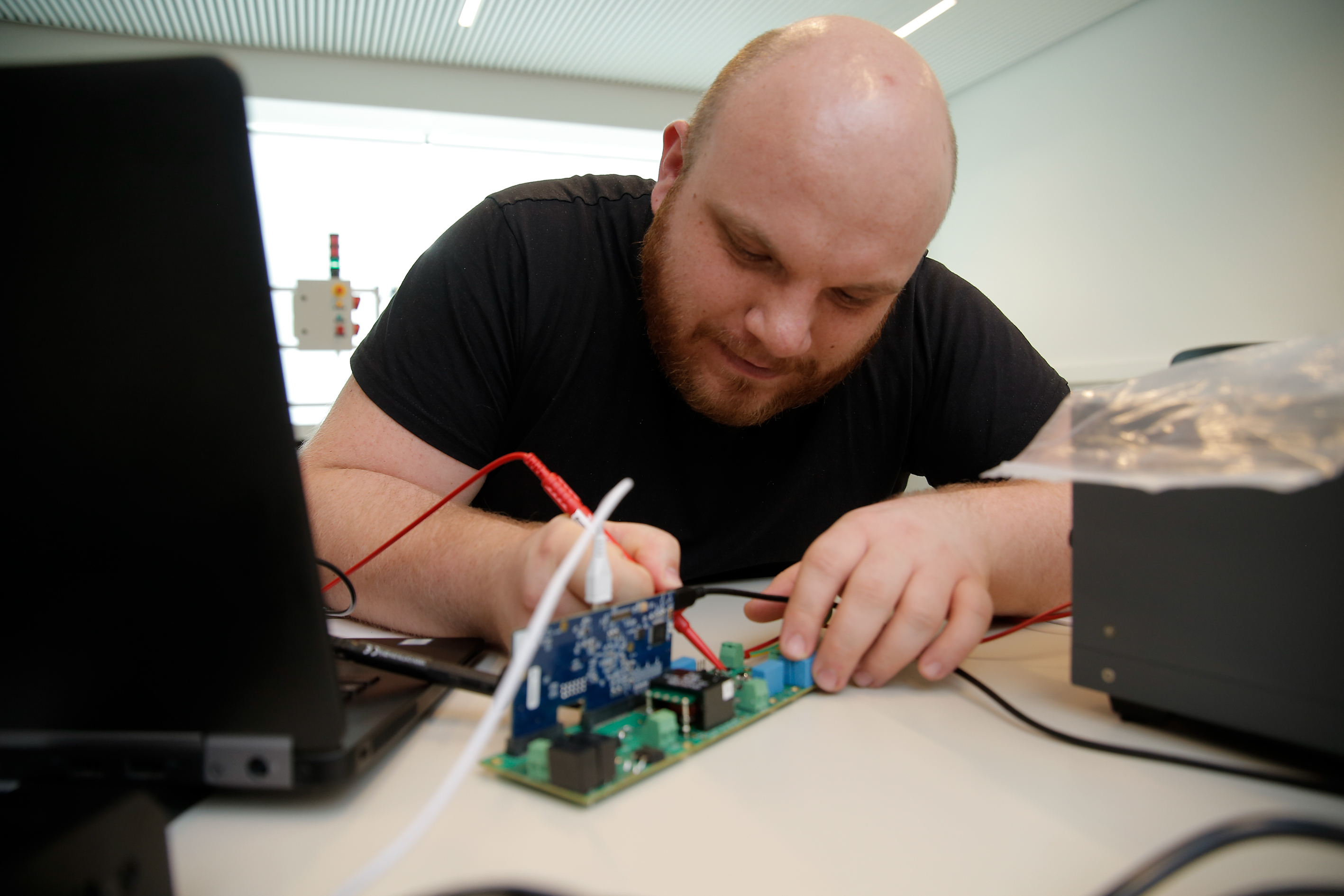
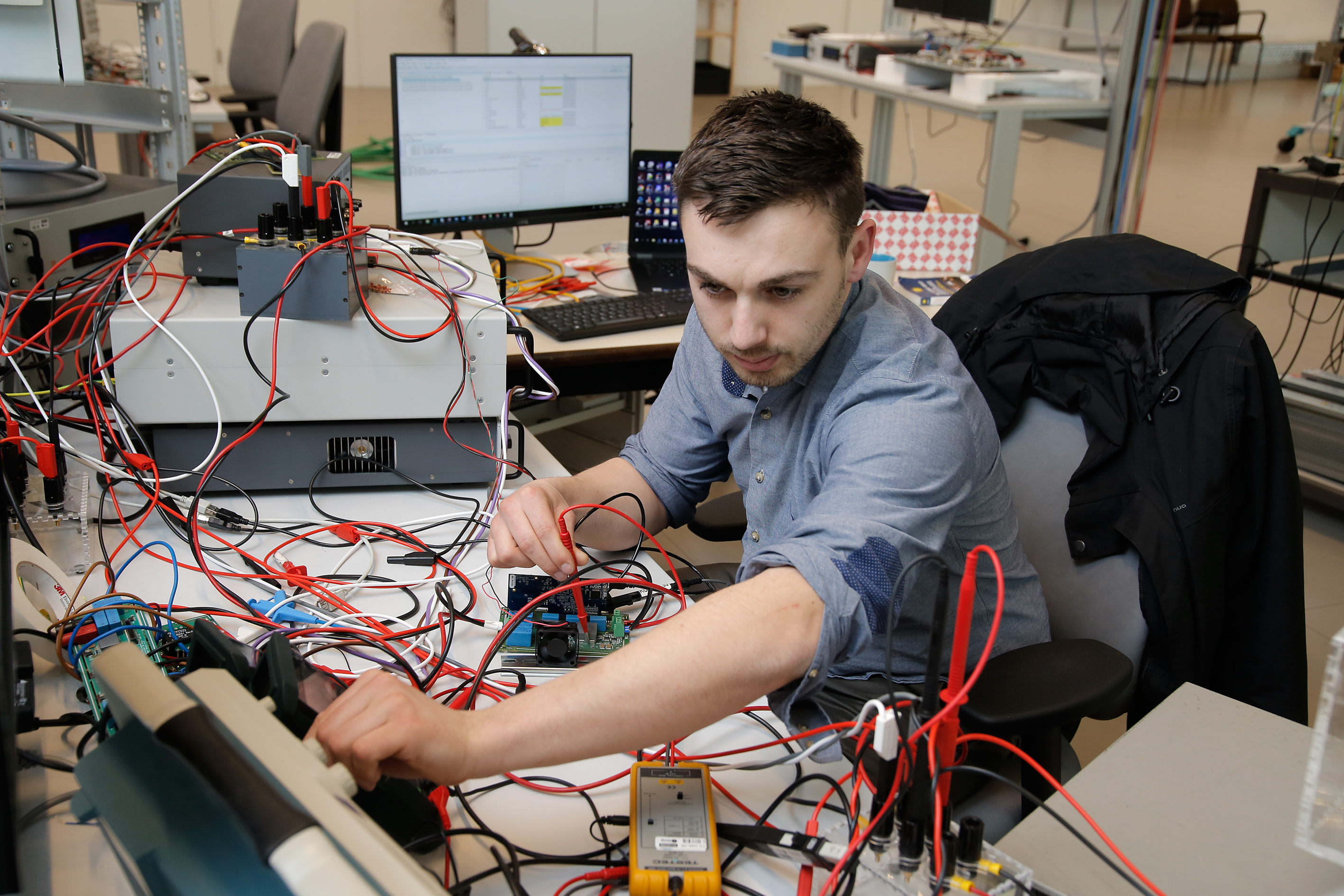
Take a look around our lab and discover how we conduct research into innovative energy solutions.

Who can use the Bipolar DC Lab?
- Distribution system operators.
- Renewable energy developers.
- Equipment manufacturers.
- Industrial players in the energy sector.
- Aggregators or VPPs.
What is the purpose of the Bipolar DC Lab?
Testing of:
- Individual components, such as new converters or control strategies.
- Small distribution networks, new grid architectures—for example, unipolar or bipolar DC grids—or interactions between components.
- Control and protection strategies and standards.
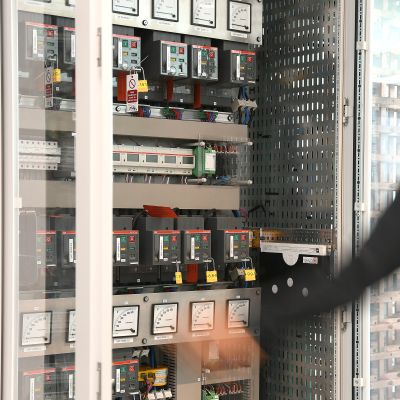
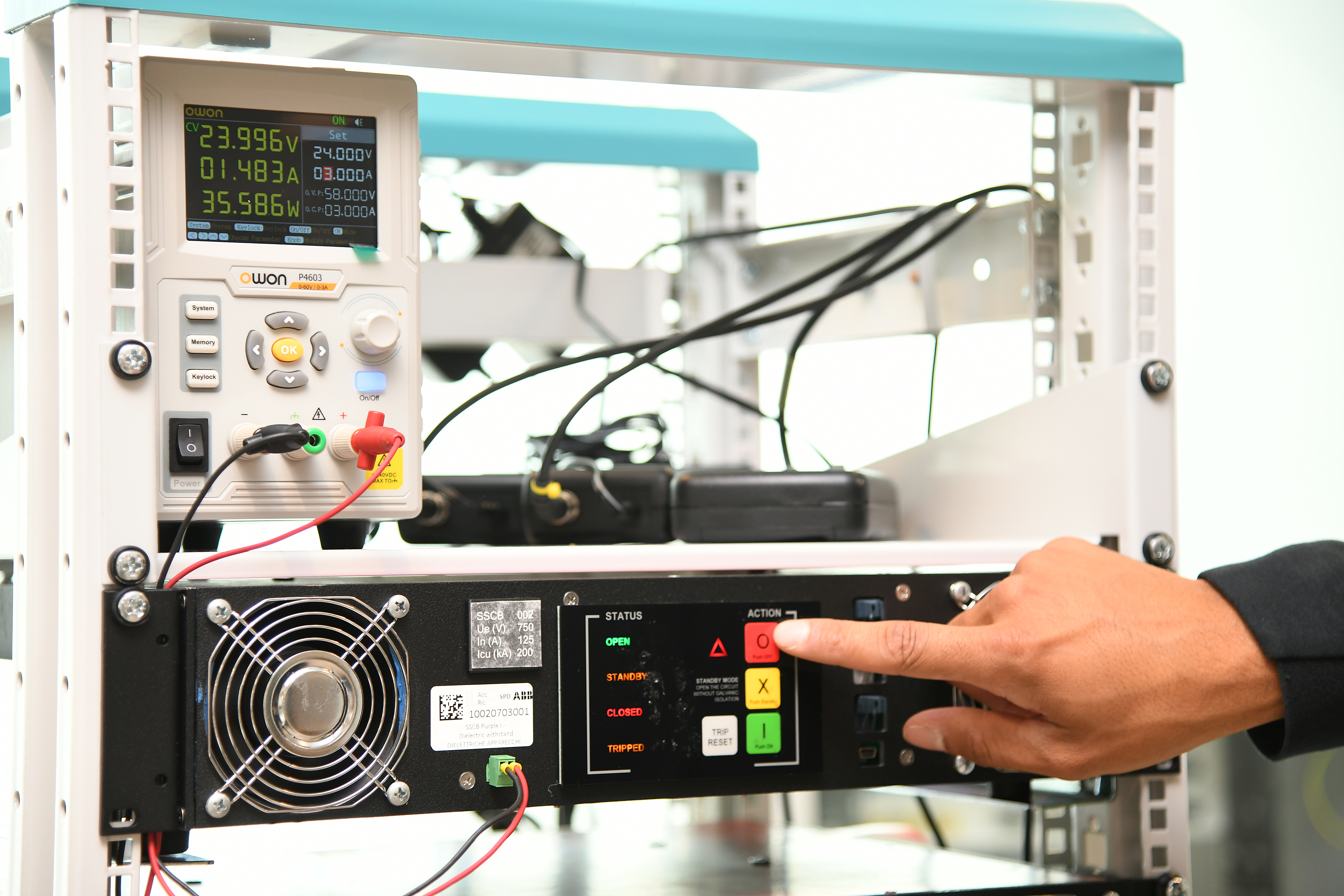
- DC protection schemes: DC earthing systems, fault detection, solid-state circuit breakers, sensors.
- Complex systems such as complete PV/BIPV systems with or without storage.
- Power electronics converters.